Solo Skydiving
What is an AFF Course? Your Complete Guide to Learning Solo Skydiving
Learn everything about AFF (Accelerated Freefall) courses - the step-by-step training program to earn your skydiving license. Includes level-by-level breakdown with videos, costs, and requirements.
What is an AFF Course? Your Complete Guide to Learning Solo Skydiving
Ever wondered how skydivers learn to jump solo? The answer is AFF — Accelerated Freefall, the most popular and effective method to earn your skydiving license and jump on your own.
Think of it like getting your driving license. Just as you start with a learner's permit before driving solo on highways, AFF gives you progressive training to safely fly your own parachute — with some guidance at first, then completely on your own.
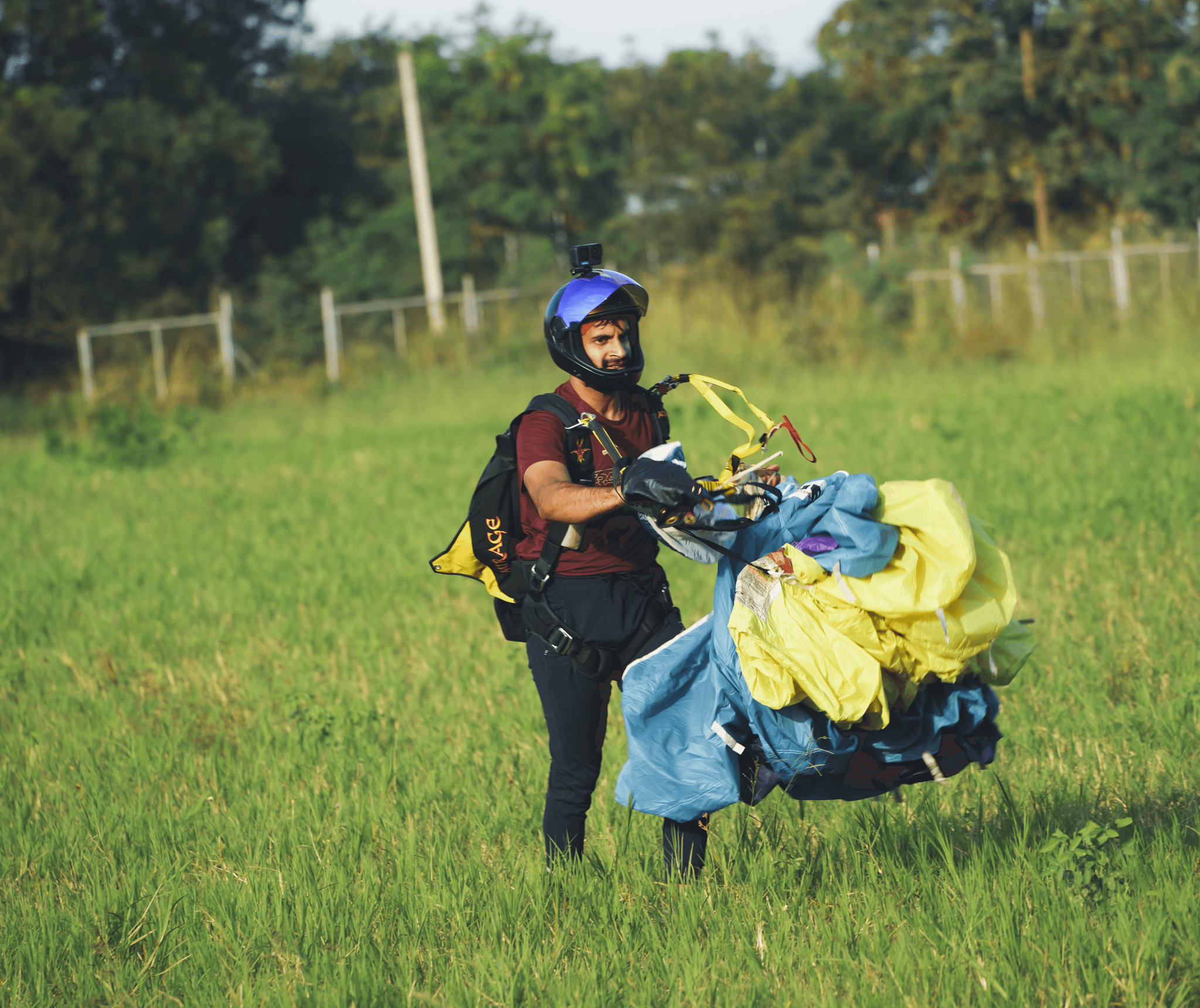
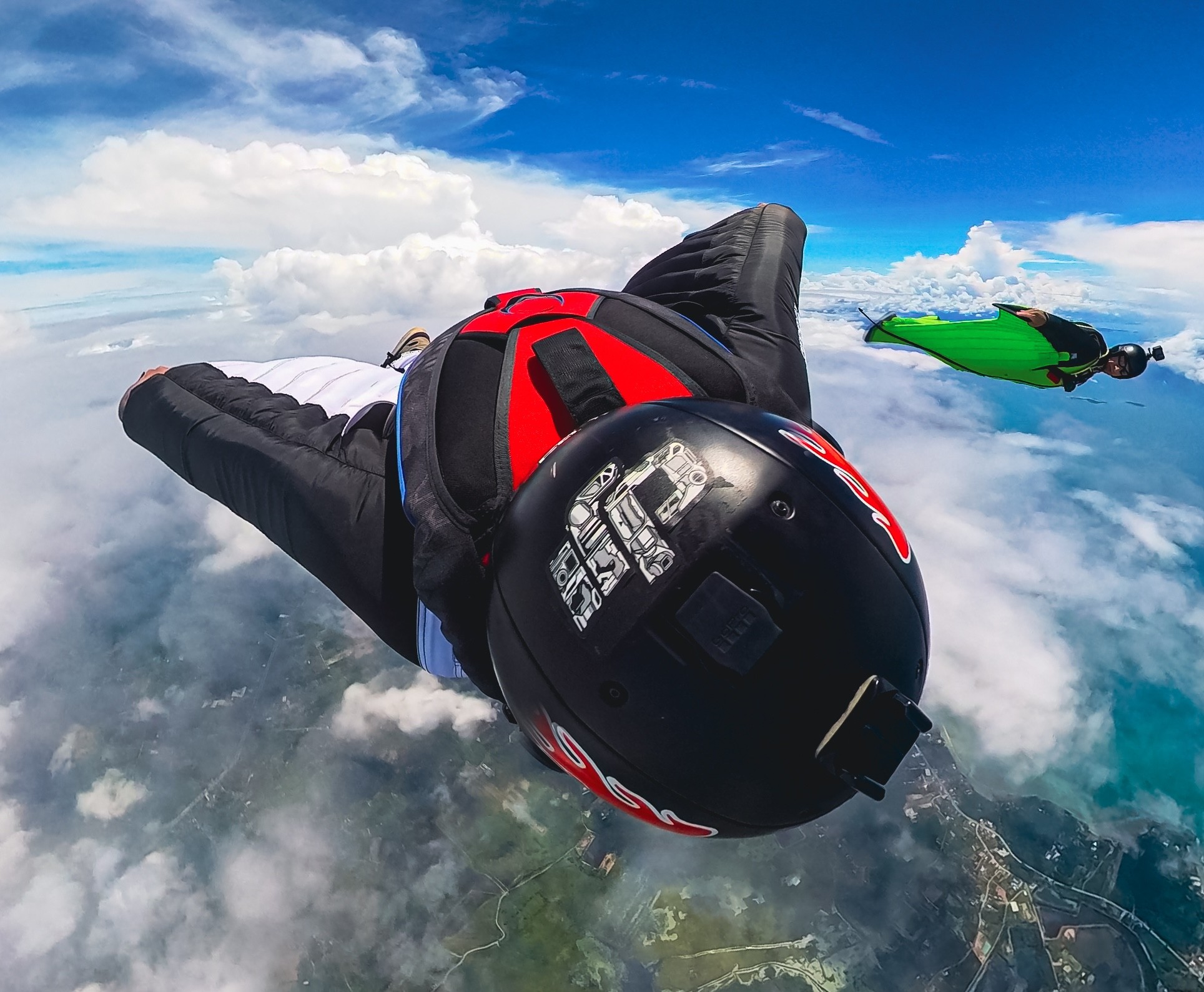
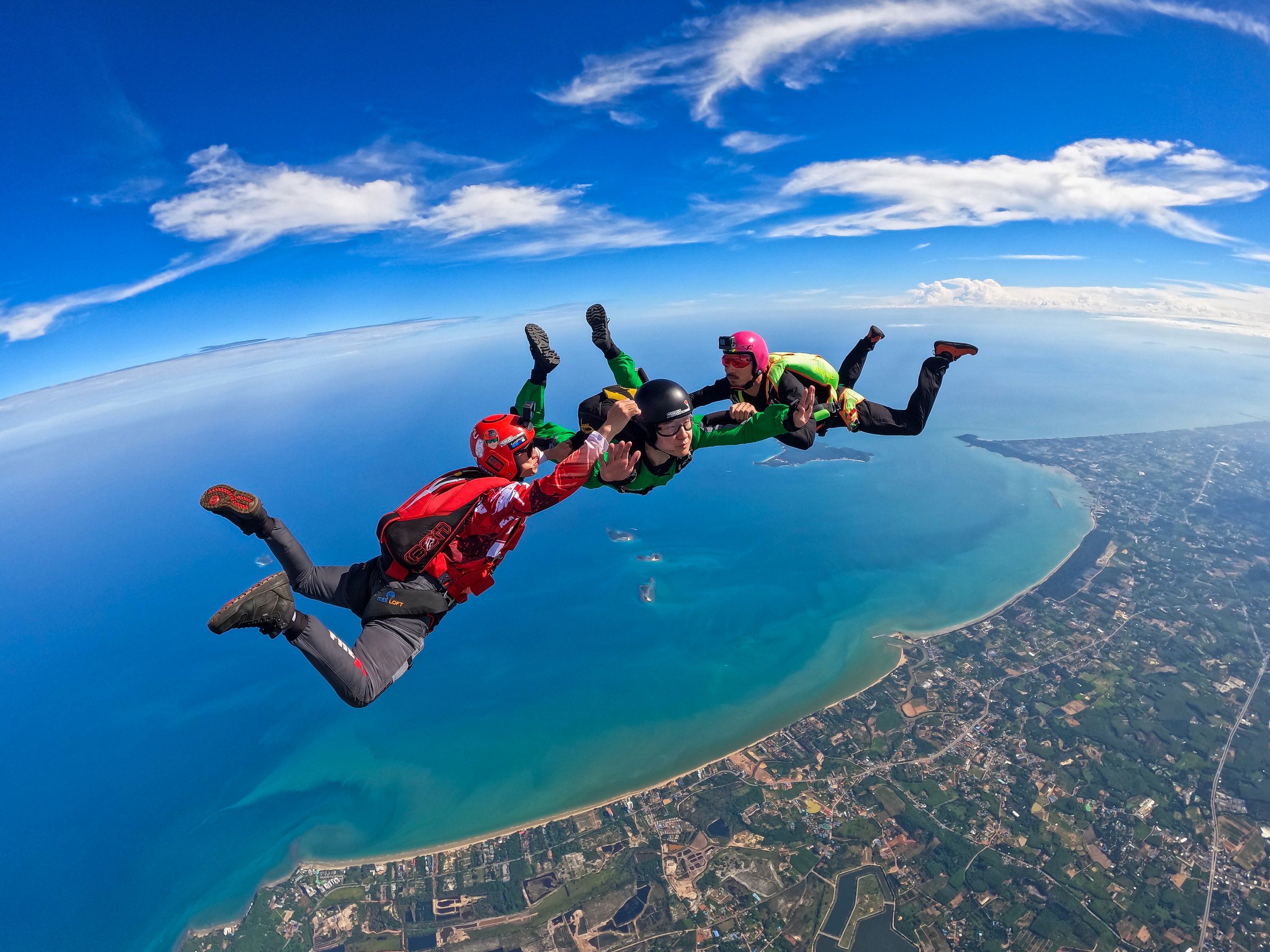
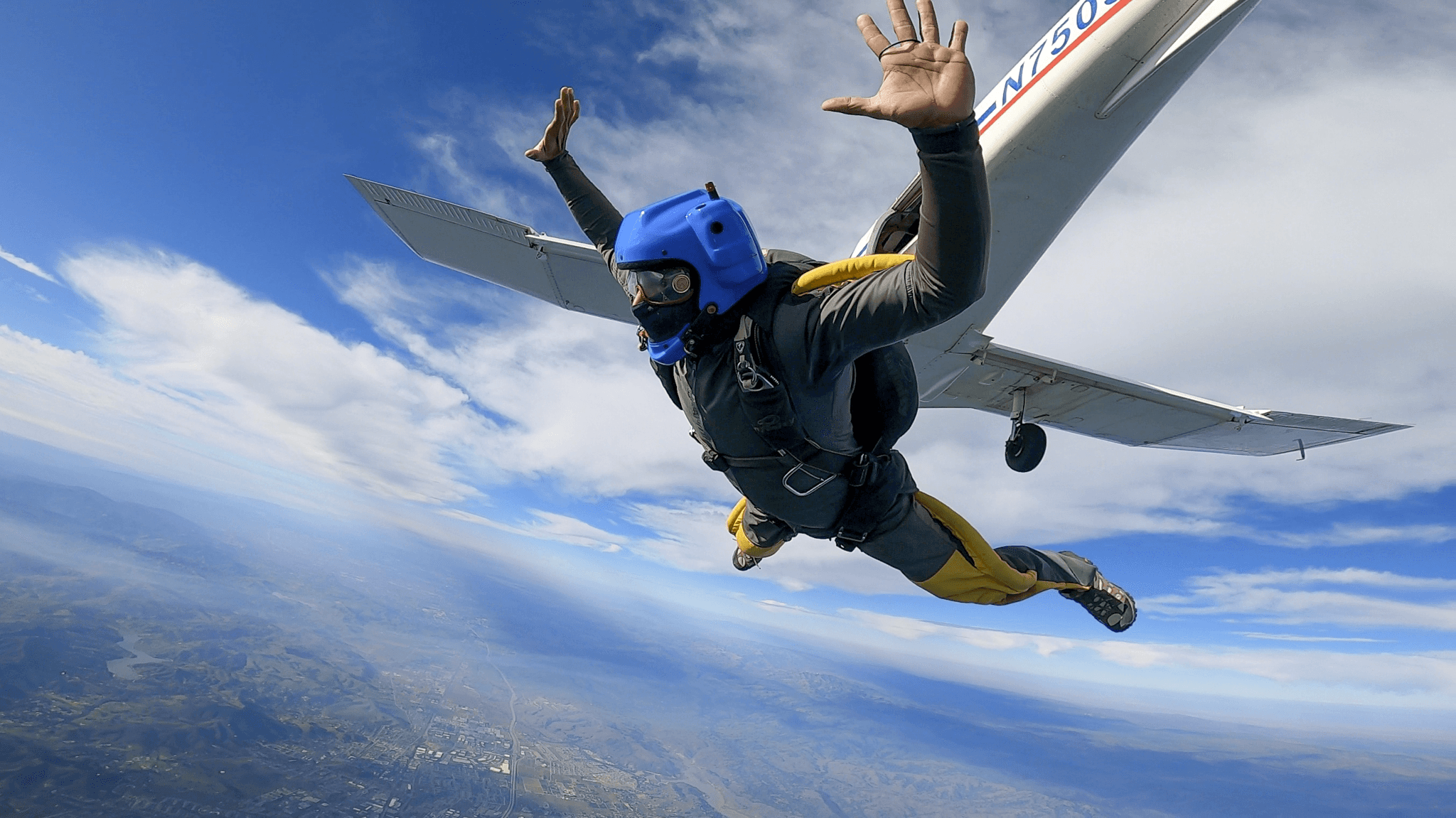
The freedom of solo freefall — what AFF training prepares you for
What is AFF (Accelerated Freefall)?
AFF stands for Accelerated Freefall — a structured training program developed by USPA (United States Parachute Association) that teaches you to skydive solo through 8 progressive categories (Category A through E-2), typically completed over 7-10 days.
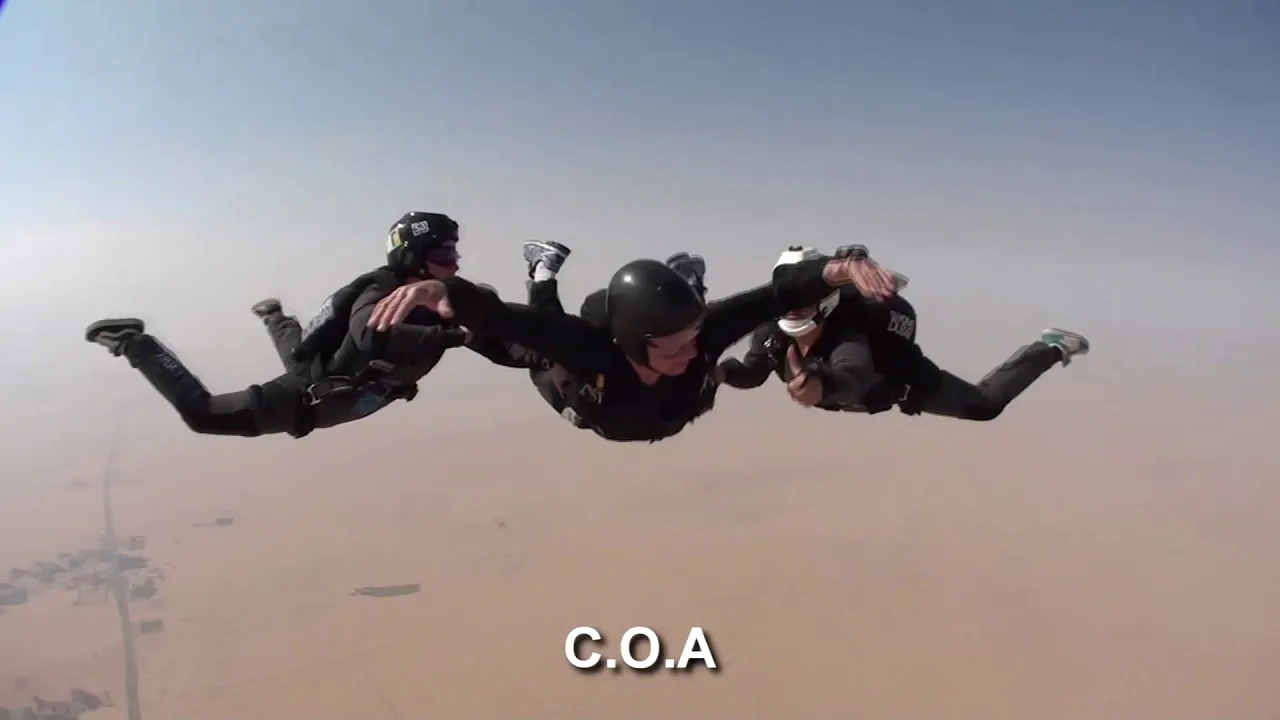
Unlike tandem skydiving where you're strapped to an instructor, AFF puts YOU in control from your very first jump. Instructors jump alongside you, guiding you through hand signals and grip corrections, but you pull your own parachute, you control your body position, and you land your own canopy.
Note: USPA uses category-based progression (Categories A to E) for freefall skills. Some dropzones simplify this to 7-8 "levels," but the core USPA curriculum remains the same.
Ground Training: Your Foundation
Before you make your first jump, you'll complete a comprehensive ground training course that takes one full day (5-6 hours). This classroom training is where you build the foundation for safe skydiving.
What ground training covers:
Equipment familiarization: Understanding your parachute system, altimeter, automatic activation device (AAD), and all safety gear
Body position and stability: Learning the proper arch, how to maintain stability, and control your body in freefall
Emergency procedures: What to do in various scenarios, malfunction recognition, and emergency responses
Canopy control and landing: How to steer your parachute, landing patterns, and safe landing techniques
Altitude awareness: Understanding when to pull, checking your altimeter, and maintaining awareness throughout the jump
Exit procedures: How to properly exit the aircraft and begin your freefall
Ground training ensures you understand the theory before putting it into practice in the sky. Your instructors will make sure you're completely prepared before your first jump.
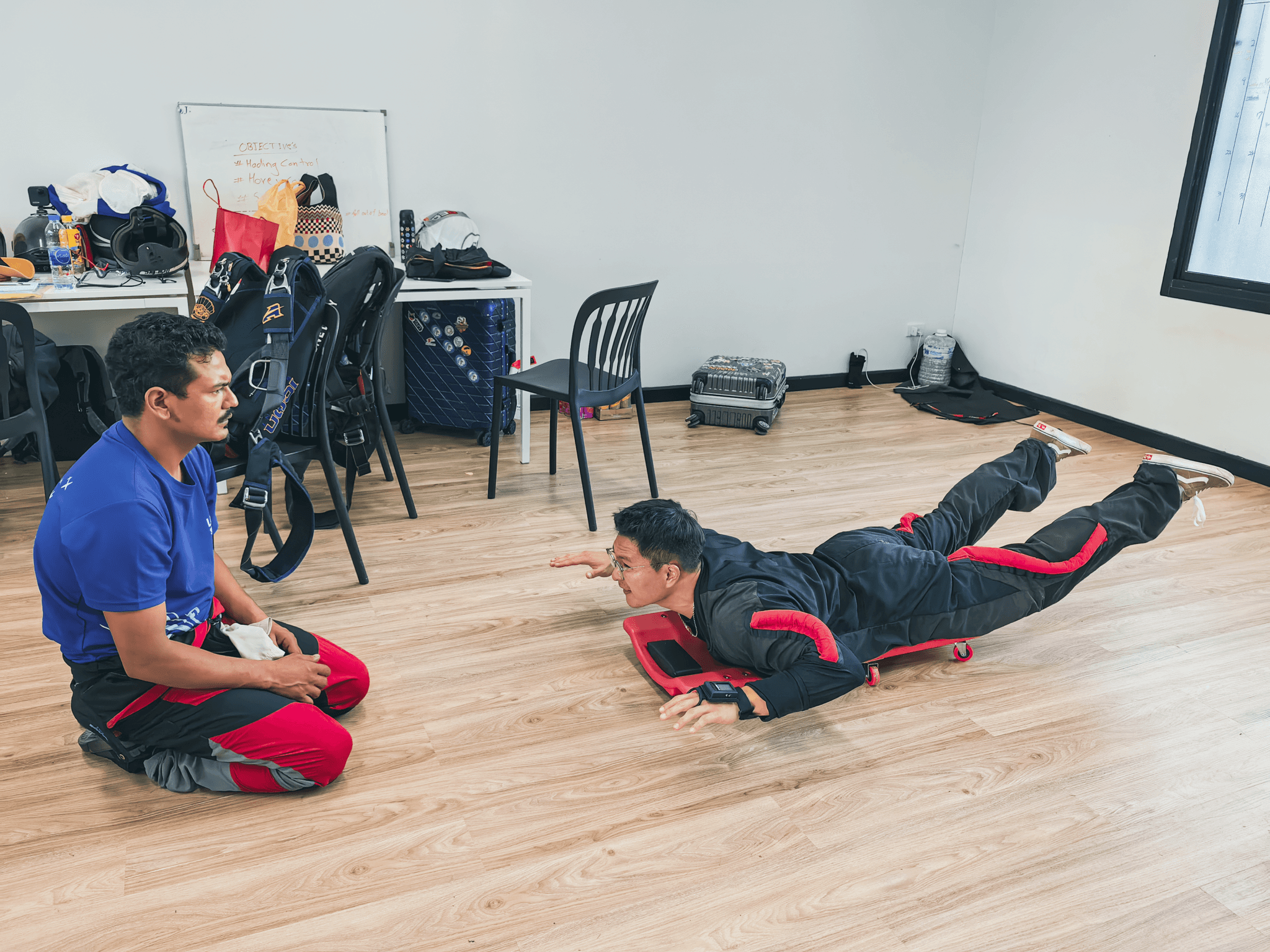
Ground school training — building your foundation before the first jump
The Learner's License Analogy
The best way to understand AFF is to compare it to learning to drive:
Driving License | AFF Skydiving Course |
|---|---|
Get learner's permit | Start AFF Category A |
Drive with instructor beside you | Jump with 2 instructors holding you in freefall |
Practice on quiet roads first | Master basic skills before advanced maneuvers |
Restrictions: No highways, no passengers | Restrictions: Instructors nearby, supervised landings |
Gradually drive independently | Gradually jump without instructor assistance |
Get full license after passing test | Get USPA A-License after 25 jumps |
Just like a learner's permit lets you drive solo (with restrictions), AFF lets you skydive solo from day one — but with trained instructors right beside you until you're ready to fly completely on your own.
How Does AFF Work? The Category-by-Category Progression
AFF is broken down into 8 progressive categories (A through E-2) as defined by USPA, each building on skills from the previous jump. Below is what to expect at each category, along with official USPA training videos.
Note: The videos below are official USPA instructional videos. These focus on freefall skills only — canopy training is conducted separately at your dropzone.
Category A: Your First Solo Jump
What to expect: Exit the aircraft from 13,500 feet with 2 instructors holding you, maintain stable body position in freefall, practice altitude awareness, pull your own parachute, and land your canopy. This is your introduction to true freefall.
Watch Category A:
The restriction: Two instructors hold you throughout freefall, like having training wheels on a bike.
Category B: Building Confidence
What to expect: Reinforce Category A skills with 2 instructors, respond to instructor hand signals, achieve a more relaxed and stable body position, and build altitude awareness habits. Focus on becoming comfortable in freefall.
Watch Category B:
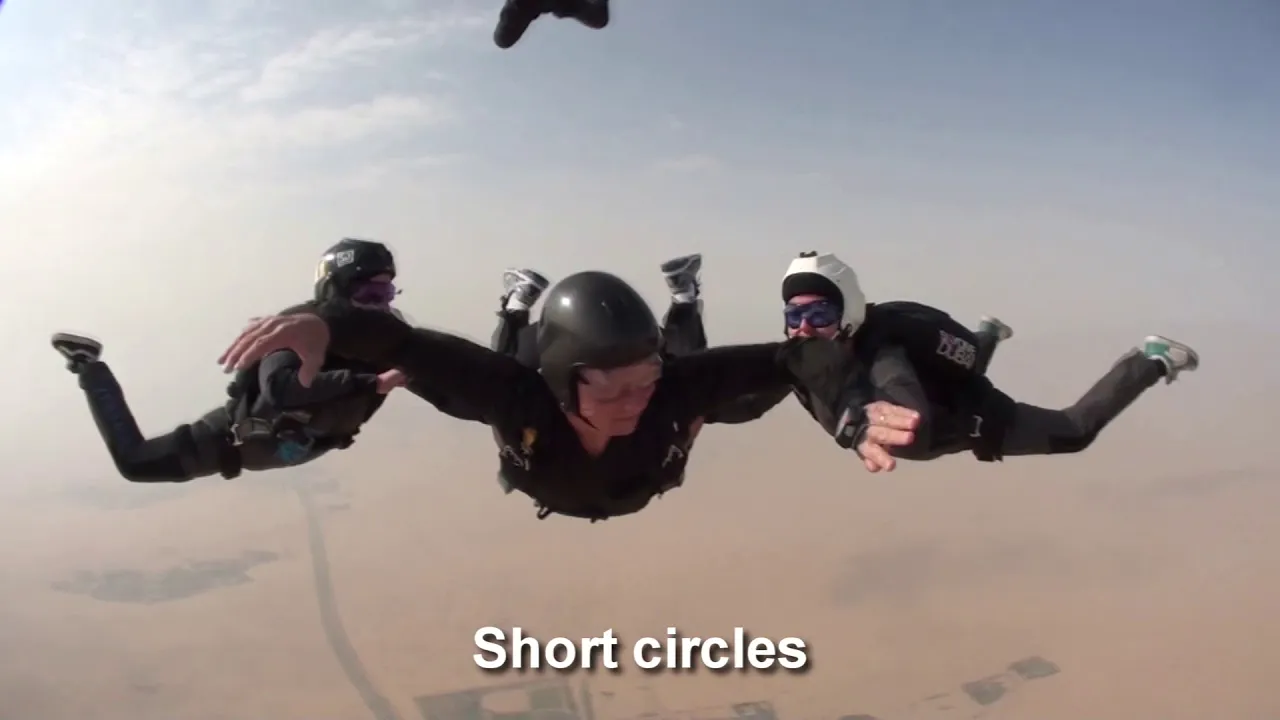
The restriction: Still two instructors, but you're starting to feel the freedom.
Category C-1: Instructor Release
What to expect: The main aim of this jump is instructor release — your instructors will let go of you in freefall while you maintain stability and body position on your own. Continue building altitude awareness and demonstrate control without physical assistance.
Watch Category C-1:
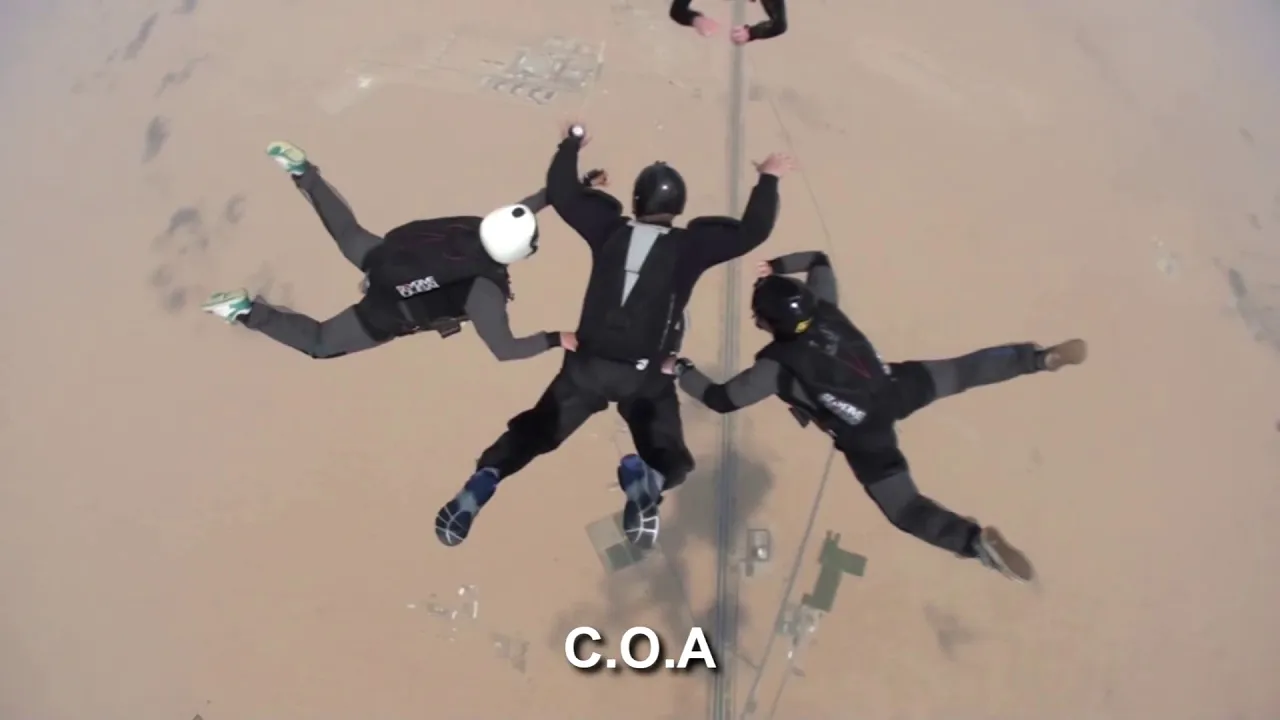
The restriction: Two instructors still nearby, but they're starting to release their grip — you're flying more independently!
Category C-2: Solo Freefall (One Instructor)
What to expect: Jump with only ONE instructor (huge milestone!). Depending on the school, you may practice controlled turns or continue working on instructor release and stability. The curriculum varies, but the key is having just one instructor alongside you.
Watch Category C-2:
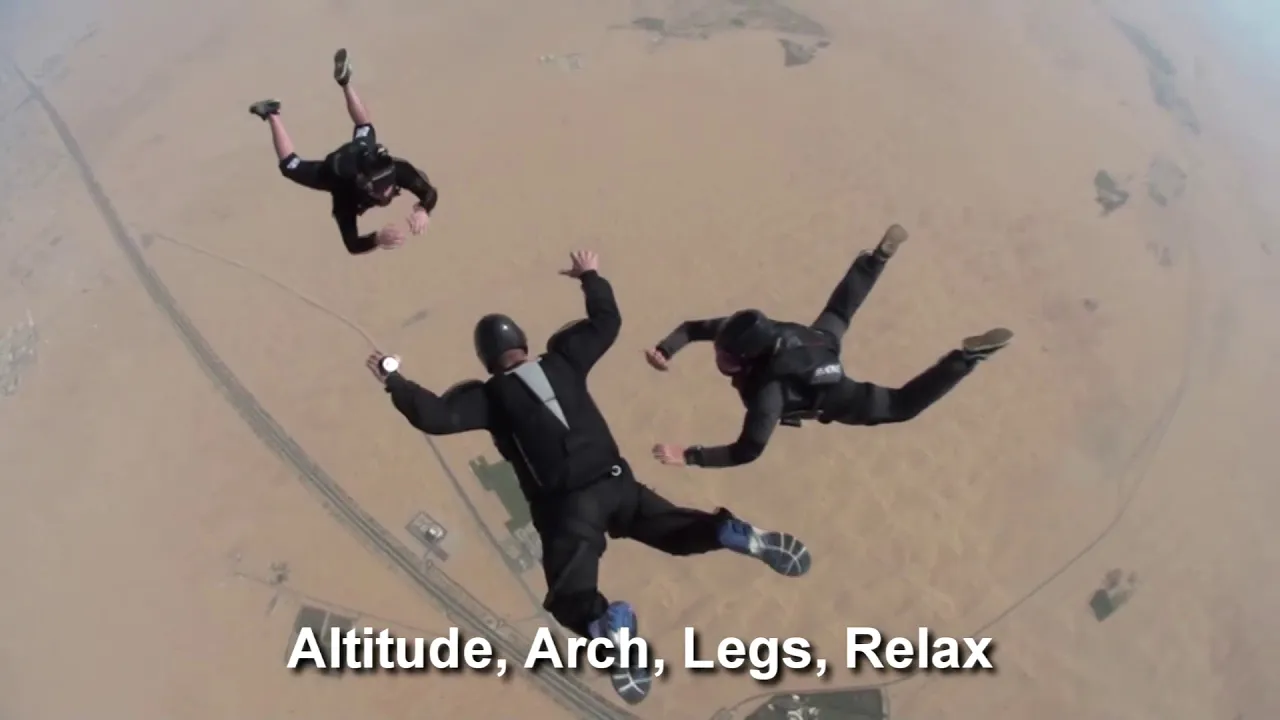
The restriction: Down to one instructor — you're getting serious freedom now, like driving without someone in the passenger seat.
Category D-1: 90-Degree Turns
What to expect: Practice controlled 90-degree turns in freefall, learning to change your heading with precision. Maintain stability throughout the turns and demonstrate consistent altitude awareness.
Watch Category D-1:
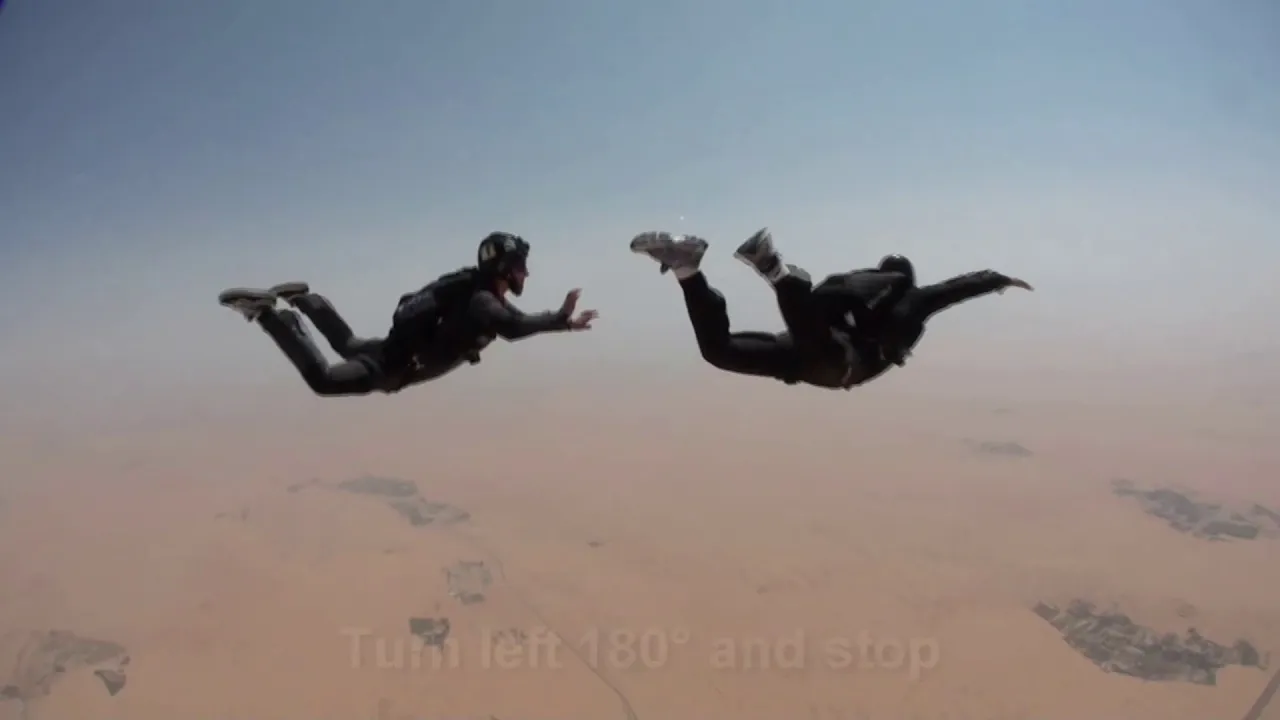
The restriction: One instructor nearby, but you're steering yourself with precision now!
Category D-2: 360-Degree Turns
What to expect: Perform full 360-degree turns in freefall, completing a complete rotation while maintaining altitude awareness. Demonstrate control throughout the turn and stop precisely on your intended heading.
Watch Category D-2:
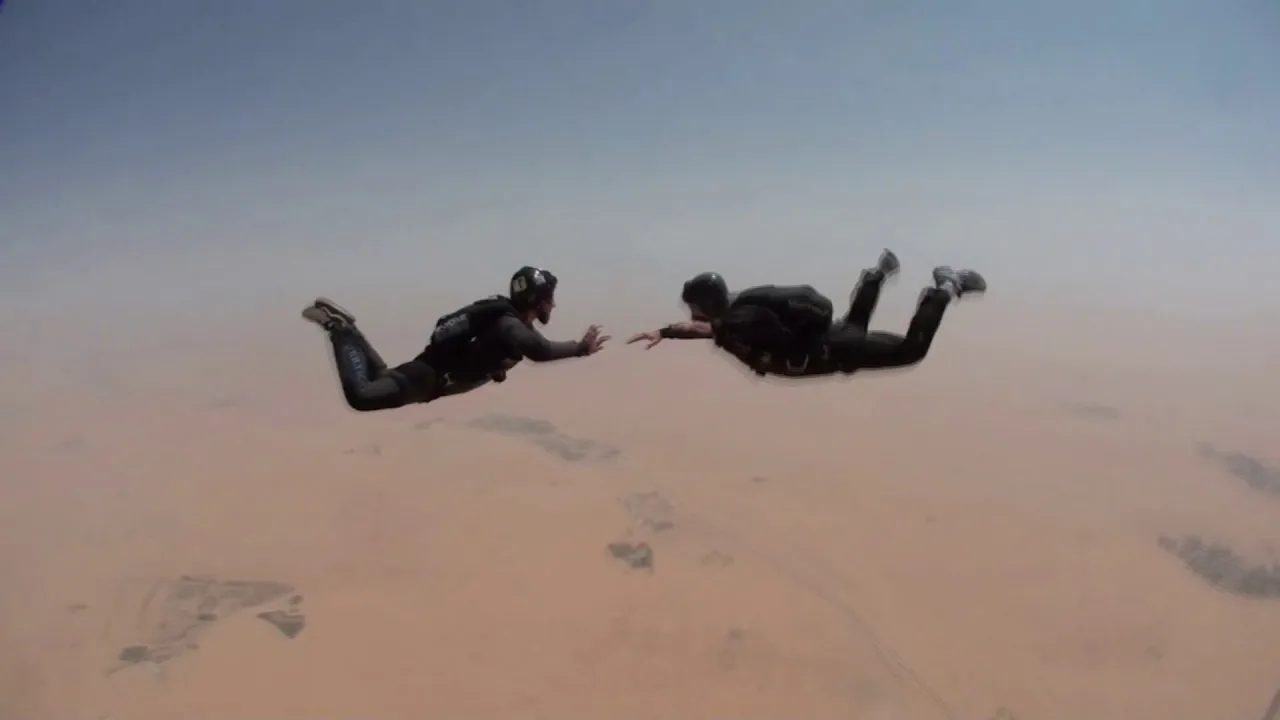
The restriction: Still supervised, but you're mastering full rotations in the sky!
Category E-1: Flips and Barrel Rolls
What to expect: Practice advanced acrobatic maneuvers like front flips, back flips, and barrel rolls. Learn to recover from unstable positions and regain control, demonstrating your ability to handle any body position in freefall.
Watch Category E-1:
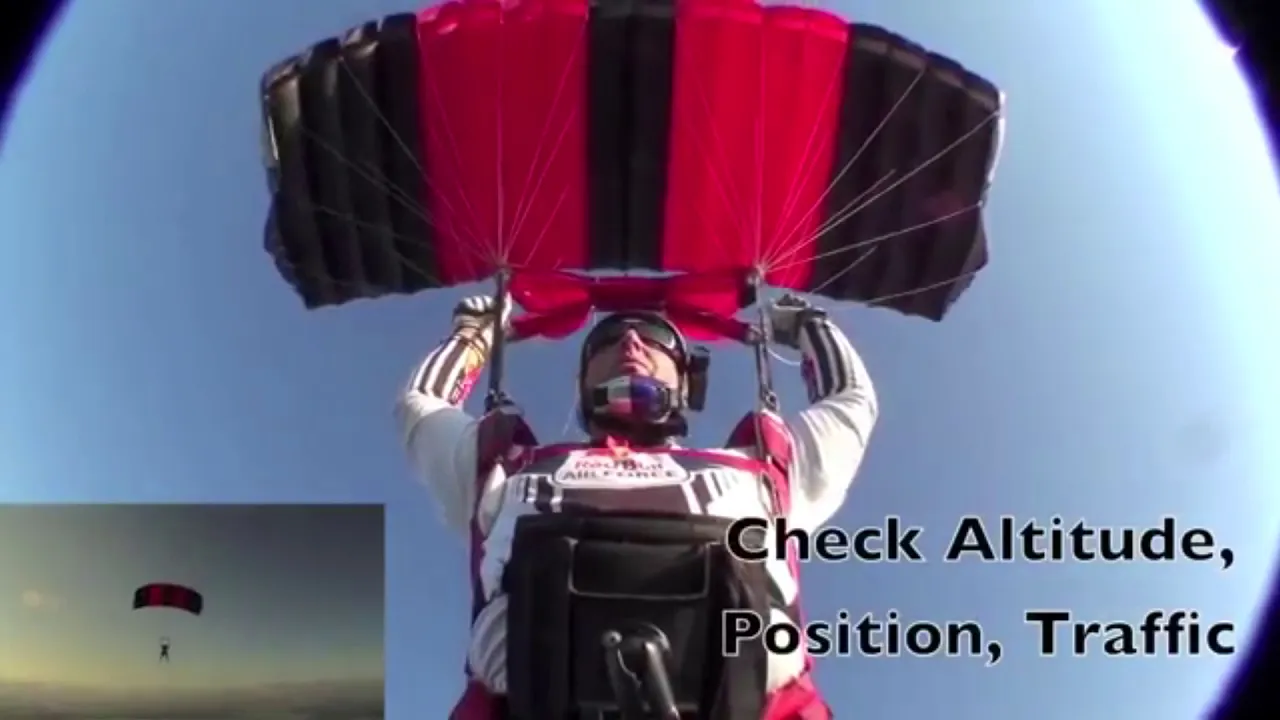
The restriction: You're doing acrobatics now — instructor just observes from a distance!
Category E-2: Final Graduation Jump
What to expect: Put everything together in one jump — demonstrate all skills you've learned from stability to turns to advanced maneuvers. Show your instructor you're confident and in complete control. Once you demonstrate mastery, your instructor will release you for your first truly solo jump in freefall.
Watch Category E-2:
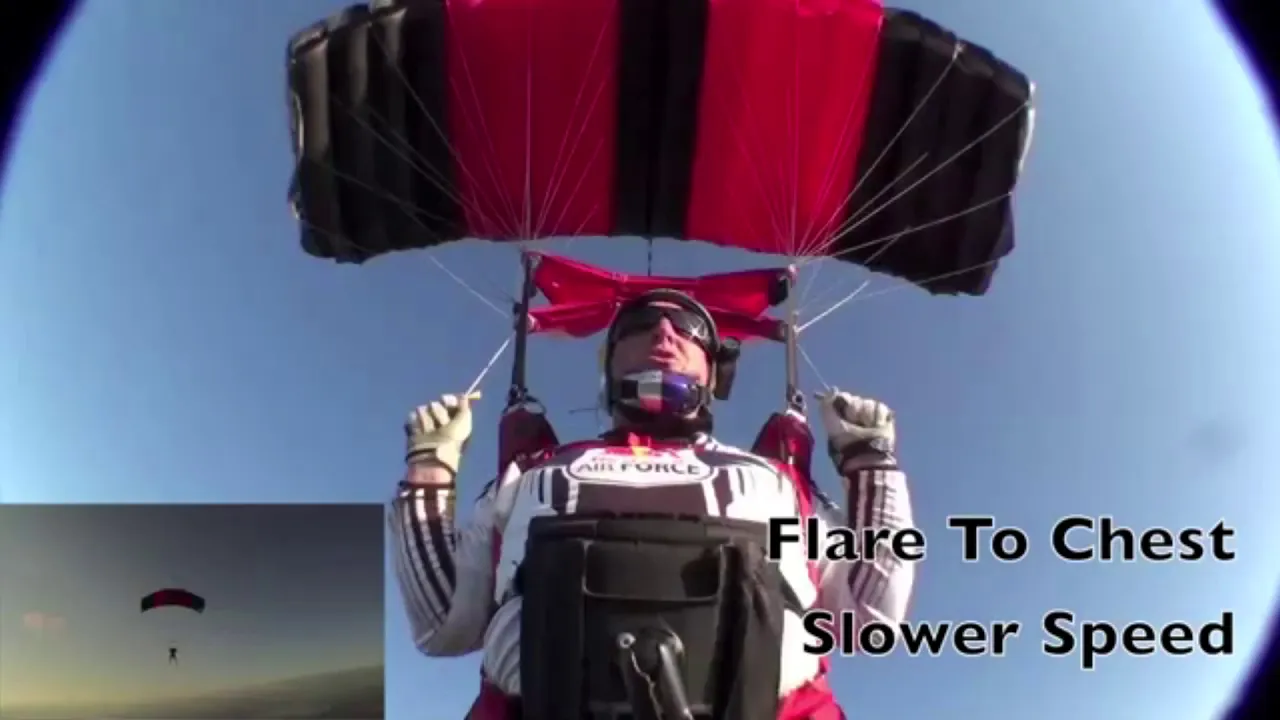
The restriction: None! You've passed your "driving test" — you're a solo skydiver now.
Note: After completing Category E-2, you've finished the core AFF curriculum. Categories F, G, and H focus on consolidation jumps and advanced skills beyond basic AFF training.
What Happens After AFF?
Completing all AFF categories (A through E-2) is like passing your driving test — but you're not fully licensed yet. Here's what comes next:
Step 1: Complete Your Consolidation Jumps
After completing AFF, you need to do additional solo jumps to reach 25 total jumps — the minimum requirement for your USPA A-License.
What these jumps involve:
Solo jumps without instructors
Practice everything you learned
Build confidence and consistency
Work on specific skills (canopy control, freefall maneuvers)
Think of this like the probationary period after getting your learner's permit — you can drive solo, but you're still building experience before getting your full license.
Step 2: Earn Your USPA A-License
Once you complete 25 total jumps and pass written tests, you receive your USPA A-License — the internationally recognized skydiving license.
With your A-License, you can:
✅ Jump solo at any dropzone worldwide
✅ Jump with other licensed skydivers
✅ Progress to advanced disciplines (wingsuit, formation, swooping)
✅ Continue to B, C, and D licenses with higher jump counts
This is like getting your full driving license — no more restrictions, you're free to explore the skies!
AFF vs Tandem: What's the Difference?
Many people confuse AFF with tandem skydiving. Here's the key difference:
Tandem Skydiving | AFF Course |
|---|---|
One-time experience | Training course (8 categories) |
Strapped to instructor | Jump solo with instructors beside you |
Instructor pulls parachute | YOU pull your parachute |
No license required | Earns you skydiving license |
Per-jump pricing | |
Can't jump again without instructor | Jump solo anywhere after completion |
Bottom line: Tandem is like riding as a passenger. AFF is like learning to drive yourself.
Who Can Do AFF? Basic Requirements
To enroll in an AFF course, you need:
Age: Minimum 18 years old
Weight: Maximum 100-110 kg (varies by dropzone)
Physical fitness: Moderate fitness level (able to run, bend, and handle physical activity)
Medical clearance: No serious heart conditions, epilepsy, or recent major surgeries
No prior experience needed: Complete beginners welcome!
Important: You do NOT need to do a tandem jump before AFF. Many people start directly with AFF and learn solo skydiving from day one.
How Much Does AFF Cost and How Long Does It Take?
Cost
For complete pricing details, course packages, and what's included in our AFF program, please visit our AFF Course page.
The course includes all 8 categories (A through E-2) with certified USPA instructors, all equipment rental, ground school training, video debriefs, and certification support.
Duration
The AFF course typically takes 4-7 days to complete all 8 categories. This includes:
Day 1: Ground school training (5-6 hours covering theory, equipment, safety, and procedures)
Days 1-7: All 8 AFF category jumps with video debriefs after each jump
Most students complete 1-2 jumps per day
Extra time may be needed for weather delays
Why Choose AFF Over Tandem?
If you're serious about skydiving, AFF is the way to go. Here's why:
1. You're in Control from Day One
Unlike tandem where you're a passenger, AFF makes YOU the pilot. You pull your parachute, you steer, you land — with expert guidance, but it's all you.
2. Cost-Effective Long-Term
After AFF, each solo jump costs a fraction of tandem jump prices. If you want to jump regularly, AFF pays for itself quickly. See pricing details.
3. Join the Skydiving Community
With your license, you can jump with other skydivers worldwide, learn advanced skills (wingsuit, formation), and make skydiving a lifelong sport.
4. Real Achievement
Anyone can do a tandem. Completing AFF and earning your license? That's something special. You've mastered a skill that <1% of people ever learn.
AFF Course FAQs
Can I do AFF in India?
No, USPA-certified AFF courses are not currently available in India. You'll need to travel abroad to countries like Thailand, Dubai, or Russia to complete your AFF training.
Do I need to do tandem first?
No! If you haven't done a tandem jump before, the AFF course includes one tandem jump as part of the program. If you've already done a tandem jump, you can skip it and start directly with Category A. Many people start AFF without prior tandem experience, and it's perfectly safe.
What if I fail a category?
If you don't meet the requirements for a category, you simply repeat it. There's no shame — everyone learns at their own pace. Most students repeat 1-2 categories during their course. The goal is mastery, not speed.
How scary is the first jump?
Honestly? It's terrifying and exhilarating at the same time. But you'll have ground training, two instructors with you, and modern safety equipment. Thousands of people do their first AFF jump every year safely.
Can I jump solo after completing AFF?
Yes, but with supervision. After completing all AFF categories (A through E-2), you can do solo jumps (called "consolidation jumps") without instructors in freefall, but you're still monitored until you get your A-License at 25 total jumps.
Is AFF safe?
Skydiving has risks, but AFF is extremely safe when done at certified dropzones with USPA-trained instructors. Modern equipment includes automatic activation devices (AADs) that deploy your reserve parachute if needed. Statistically, it's safer than many other adventure sports.
Where Can You Do AFF? Thailand as Your Best Option
For Indian students, Thailand is the closest and most affordable option for AFF training:
Why Thailand:
✅ 2.5-3 hour flight from major Indian cities
✅ Visa on arrival for Indians
✅ Year-round jumping weather
✅ USPA-certified instructors and facilities
✅ English instruction
✅ Best value for money in Asia
Greedy Adventures conducts AFF courses near Pattaya, Thailand with world-class dropzone facilities, experienced instructors, and complete support from enrollment to your A-License.
View our AFF Course details and pricing or contact us to learn more about upcoming courses and start your journey to becoming a licensed skydiver.