Solo Skydiving
How to Start Wingsuiting in India: Step-by-Step Guide
Wingsuiting is the most advanced skydiving discipline — and the most rewarding. Here's exactly what it takes to get there, step by step.
1. What is Wingsuiting?
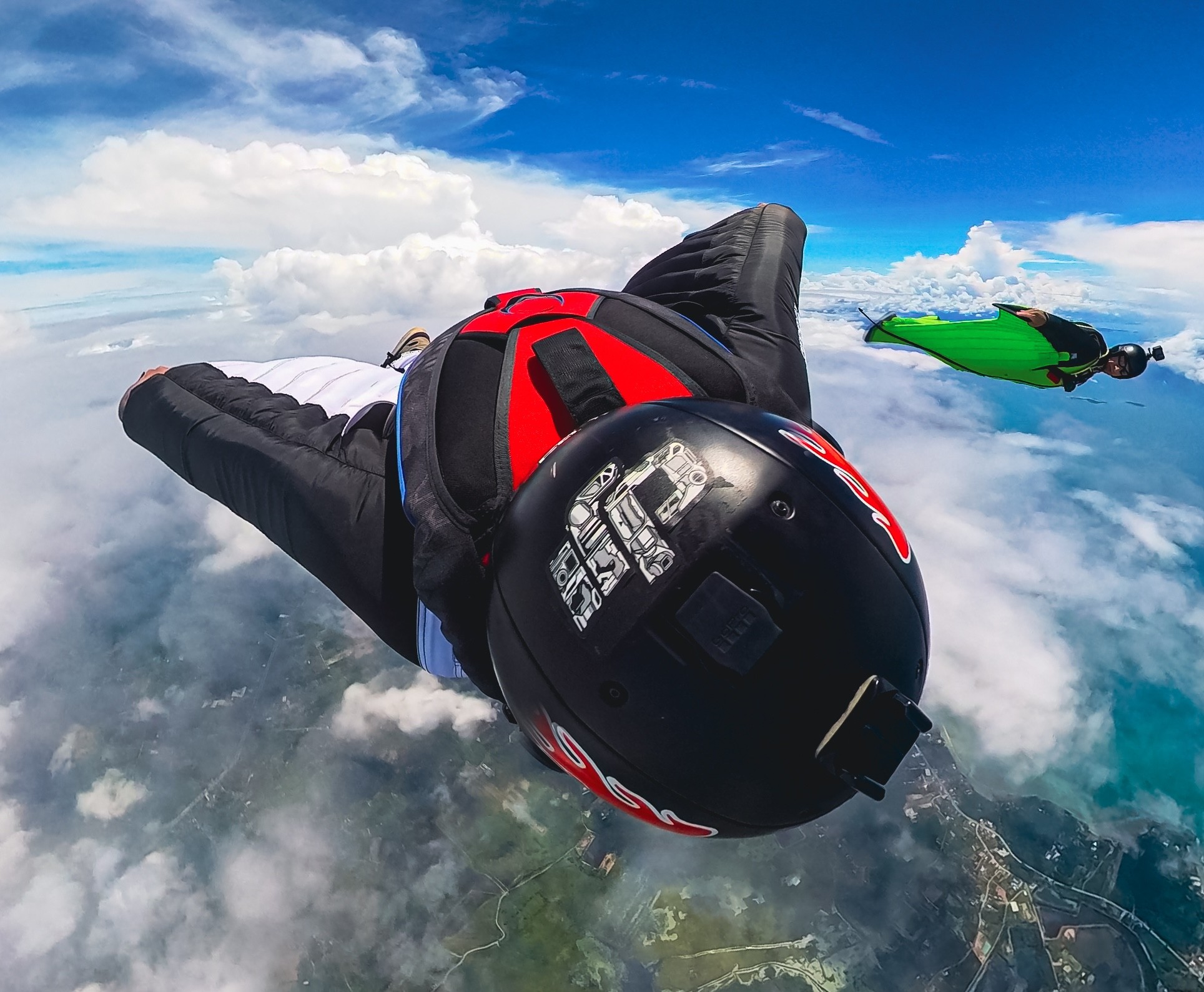
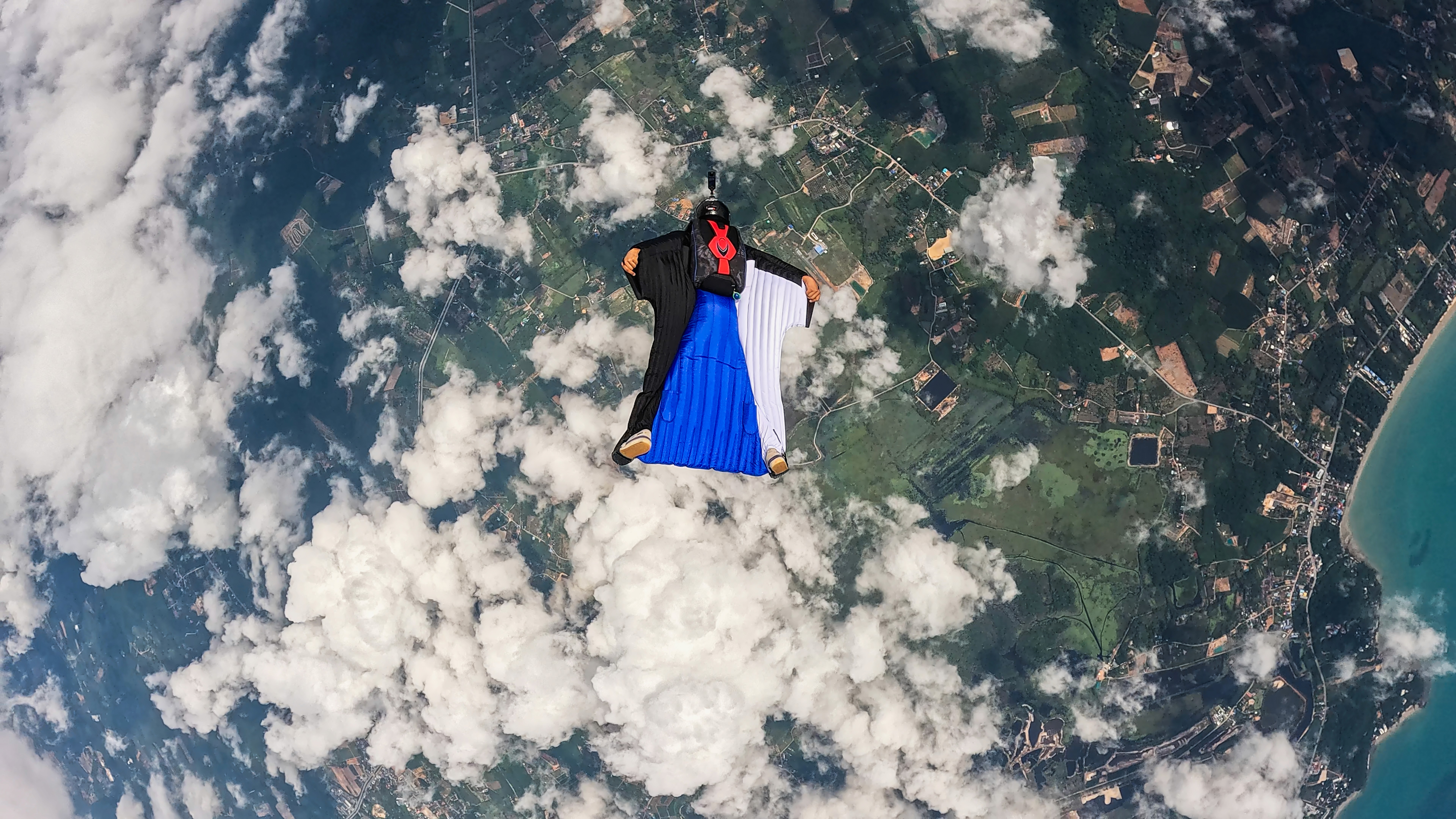
A wingsuit is a jumpsuit with fabric panels between your arms and legs.
It increases surface area — slowing your fall and letting you fly forward. In a wingsuit, you don't just fall. You fly.
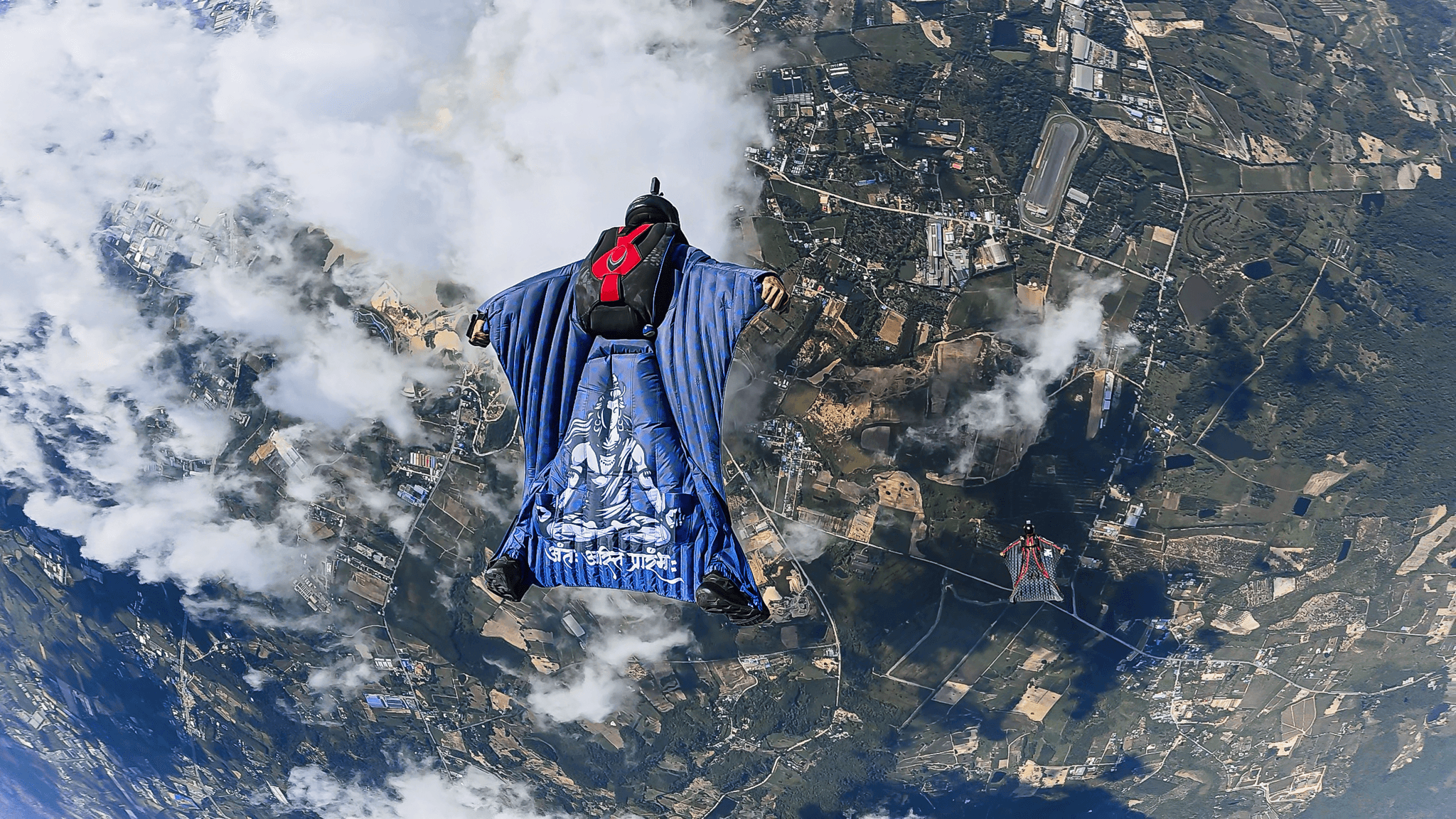
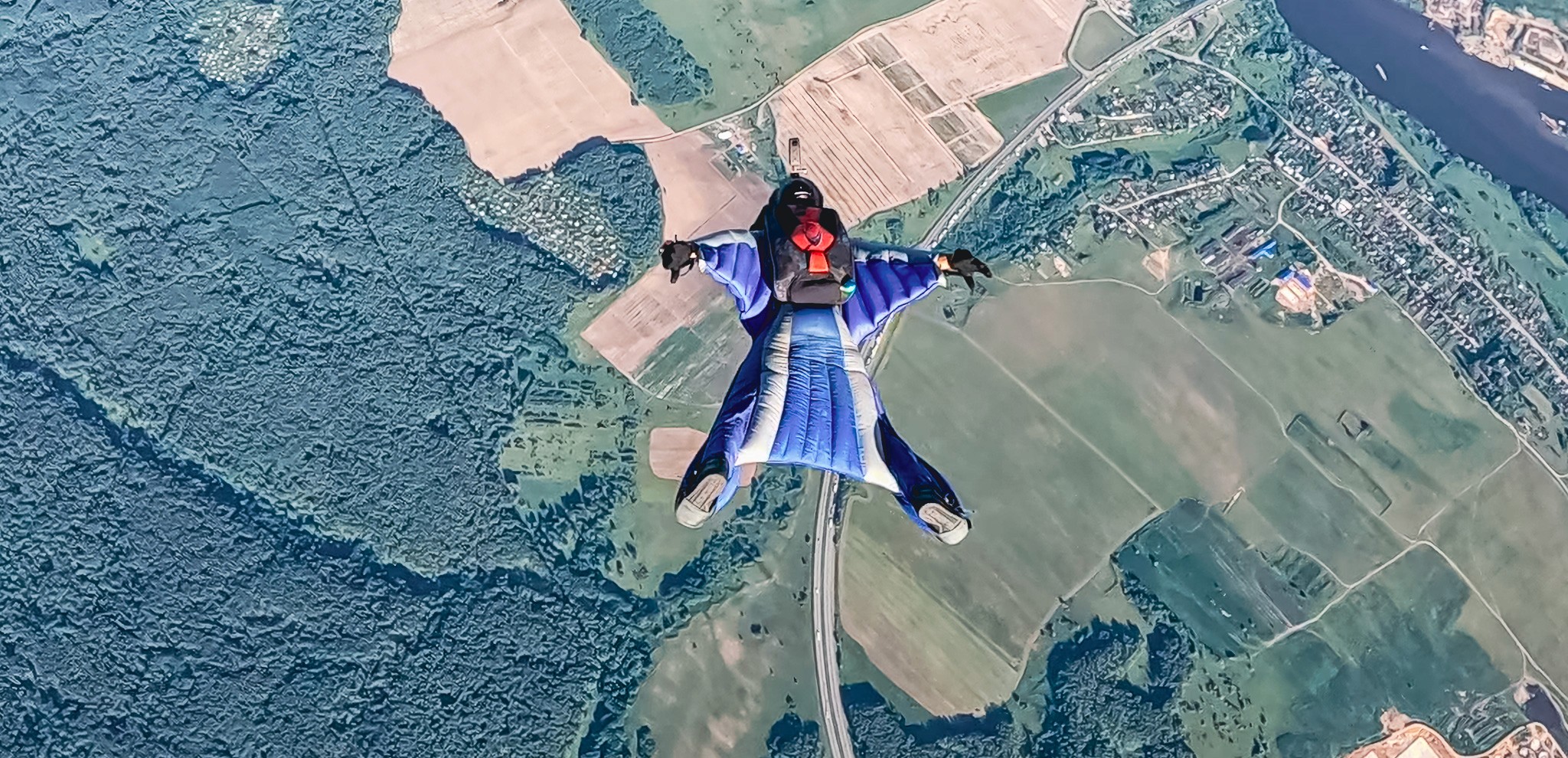
A wingsuiter in flight — covering horizontal distance instead of just falling
2. Do a Tandem Jump First
If you haven't jumped before, start here.
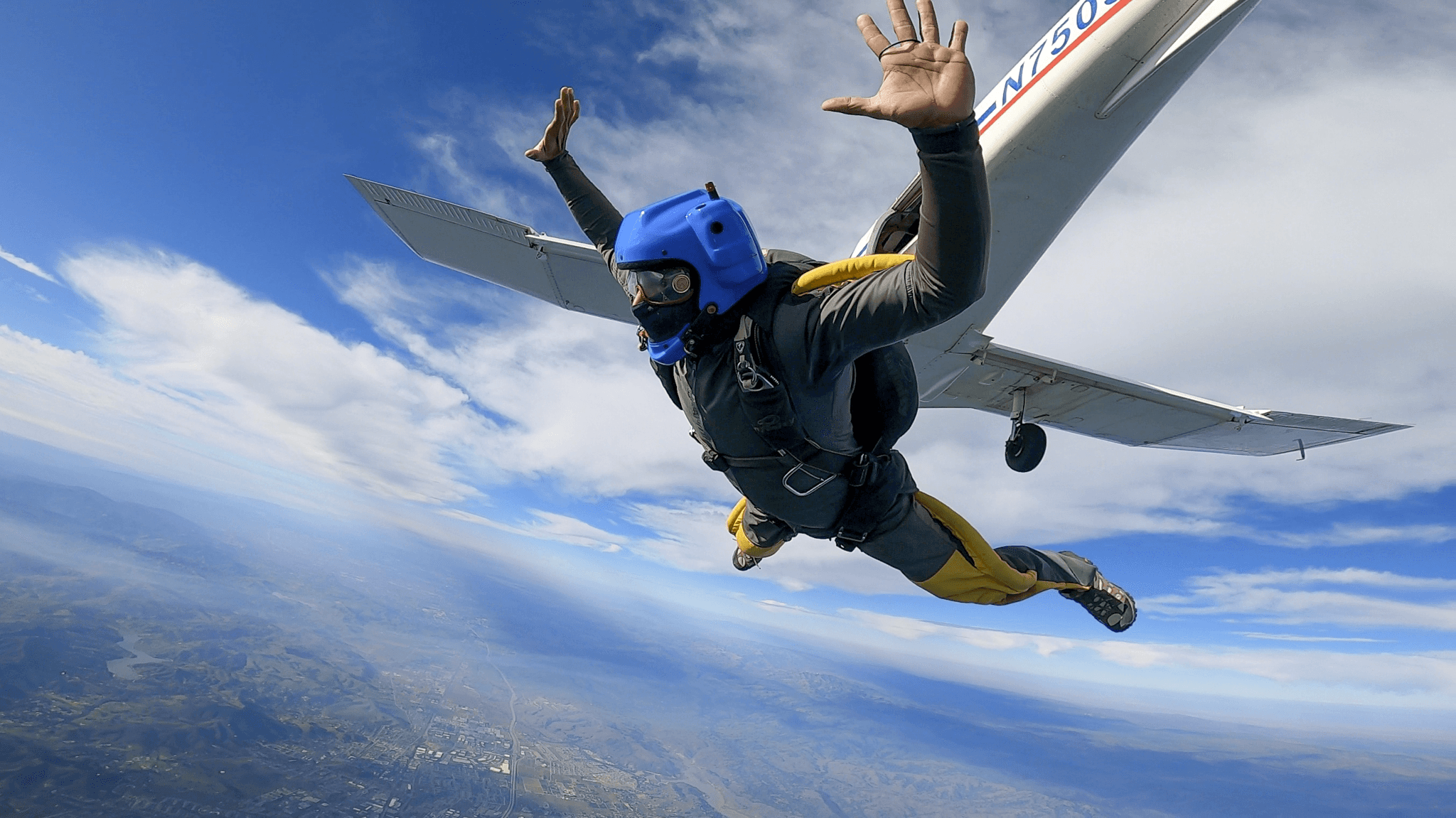
A tandem jump with a licensed instructor gives you your first real experience of freefall — before you commit to training solo.
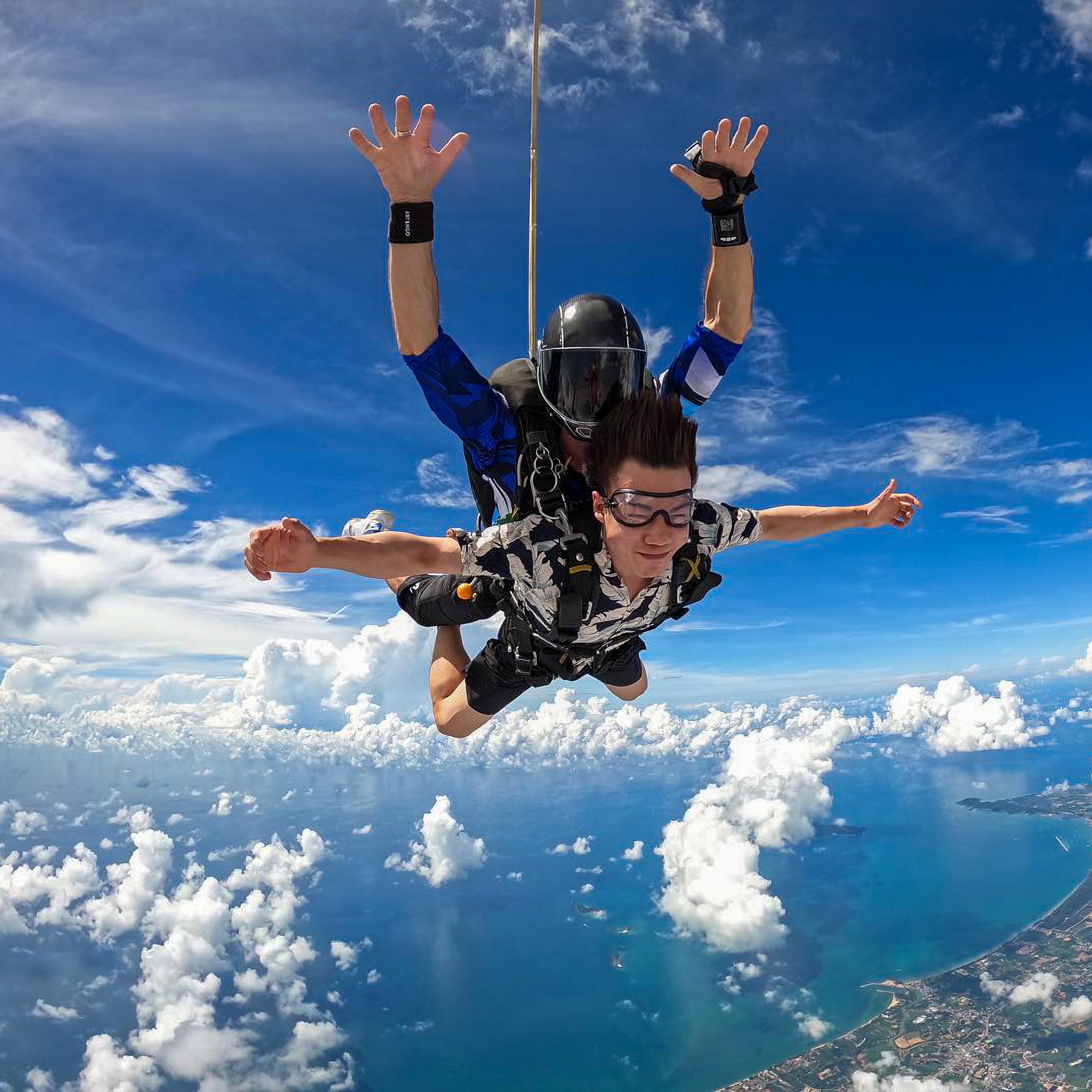
Tandem skydiving — your first taste of freefall before you go solo
3. Get Your A-License
You cannot wingsuit without a skydiving license. Period.
The path:
Complete AFF (Accelerated Freefall) — 7–8 jumps with instructors
Build to 25 total jumps
Pass written and practical exams
Earn your A-License
This is the foundation. Everything else builds on it.

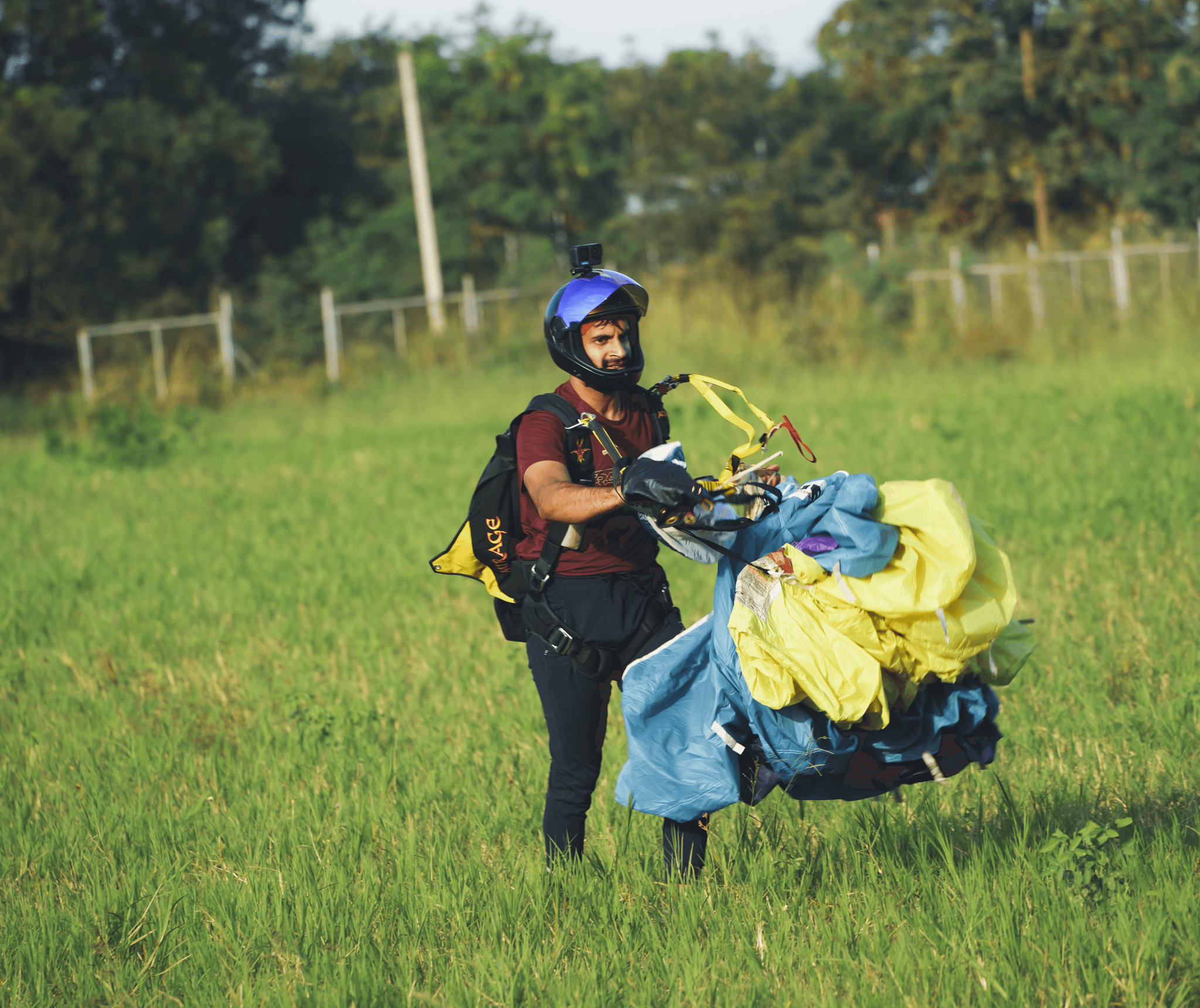
Your A-License — the first milestone on the path to wingsuiting
4. Learn Tracking and Angle Flying
Before wingsuiting, you need to master two group skills:
Tracking — moving your body horizontally to separate from the group before opening
Angle flying — flying at a 45° angle relative to the ground
These are safety-critical. Wingsuit groups depend on everyone knowing how to separate cleanly.
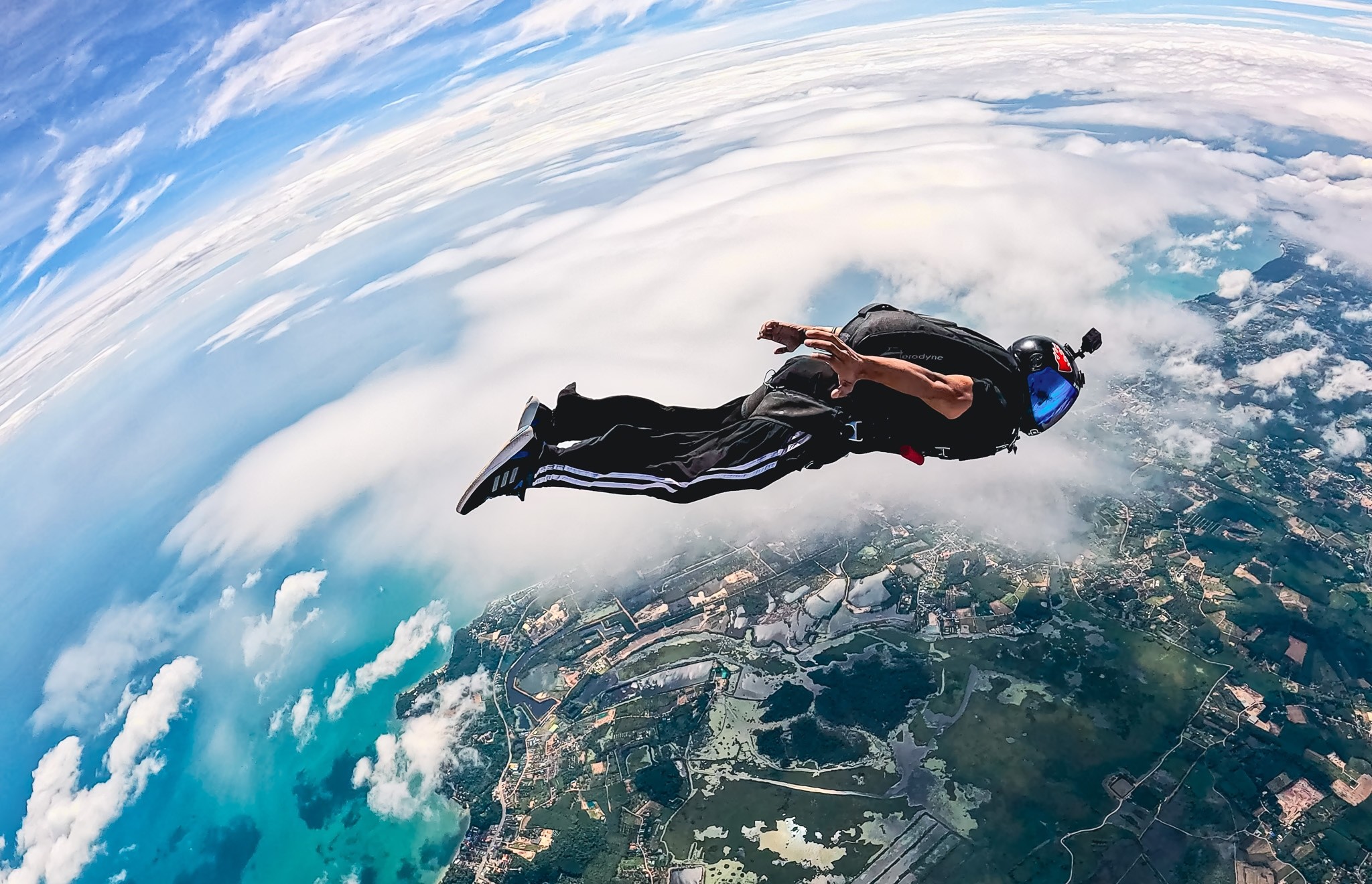
Tracking and angle flying — essential group skills before you ever touch a wingsuit
5. Build 200 Jumps
The minimum requirement for a Wingsuit First Jump Course is 200 logged jumps.
You also need currency — roughly 40 jumps in the two months before your course.
This isn't arbitrary. It gives you the canopy skills, altitude awareness, and body control that wingsuits demand.
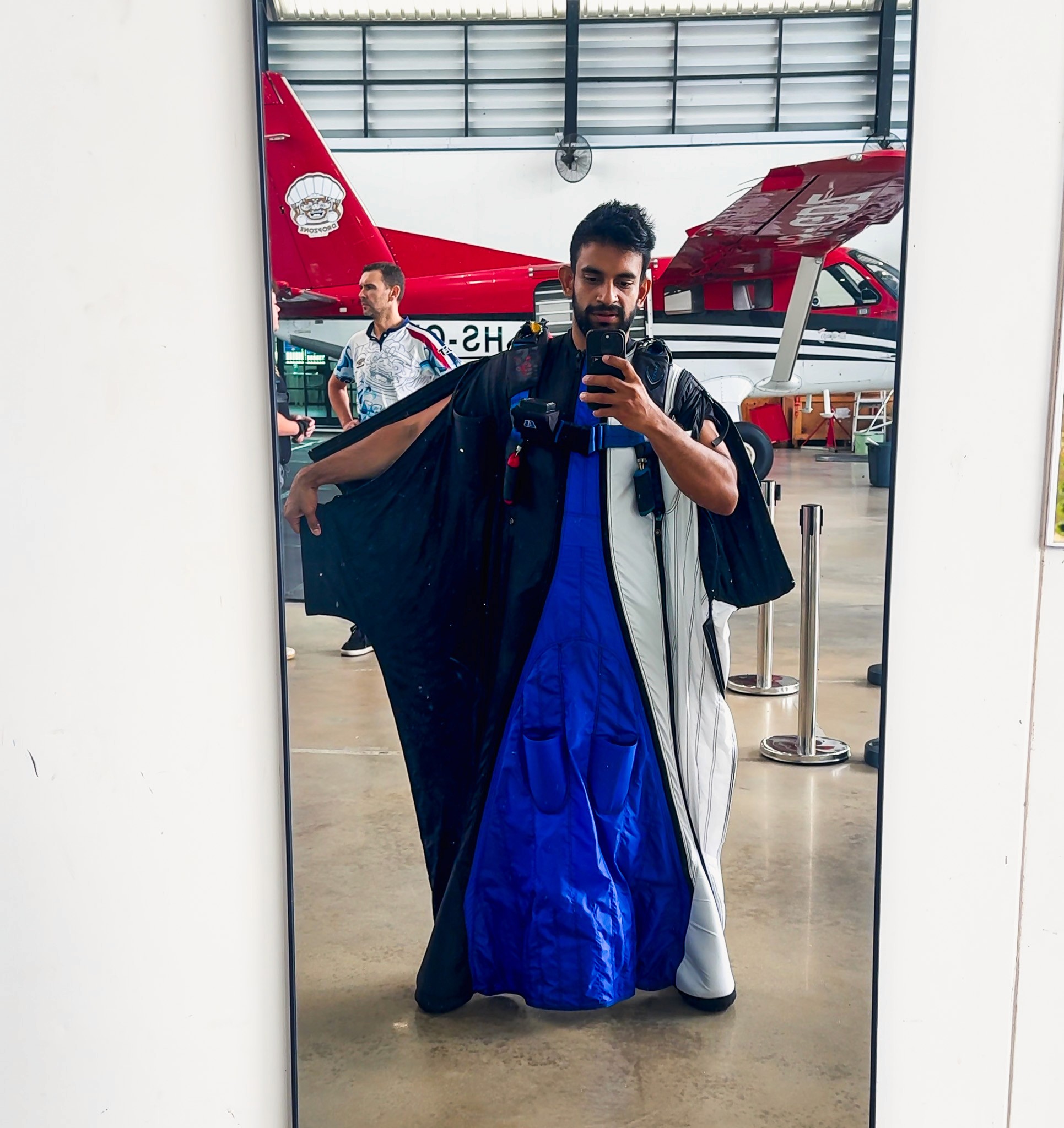
200 jumps builds the instincts wingsuiting requires
6. Take a Wingsuit First Jump Course (WFJC)
You cannot just strap on a wingsuit and jump. You need certified instruction.
A WFJC covers:
Wingsuit equipment and fit
Exit techniques and inflation
Emergency procedures
Deploying your parachute while in the suit
Group awareness and separation
Find a USPA-rated wingsuit coach at an established dropzone.
Certified instruction — the only way to safely make your first wingsuit jump
7. Get Your Gear
Start by renting. Most dropzones have beginner wingsuits for students.
When you're ready to buy, start with a small beginner suit — not the biggest one. Bigger suits are harder to control and exit safely.
Your suit should match your current skill level, not your ambitions.
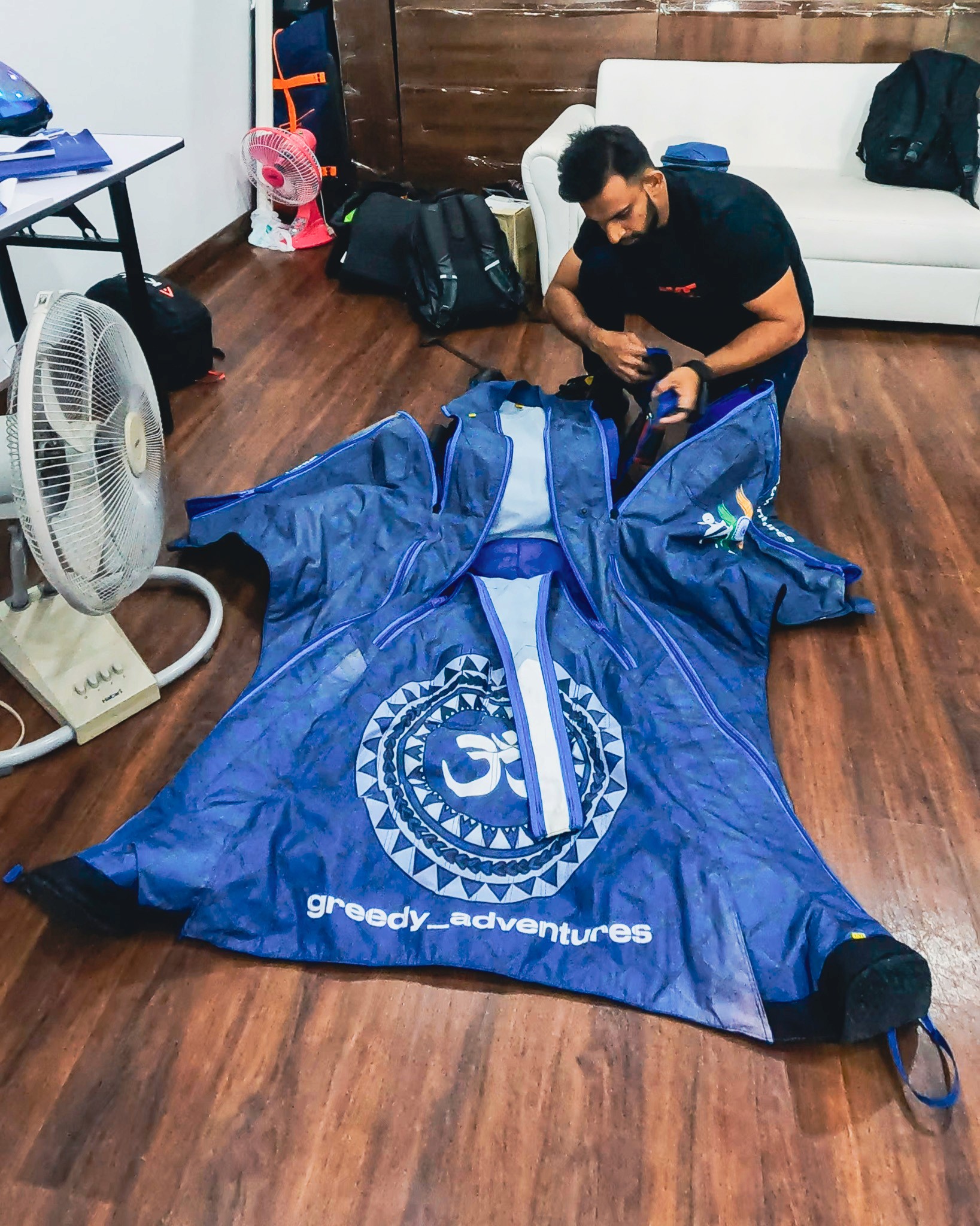
Your first wingsuit — start small, progress with experience
8. Jump With a Community
Wingsuiting is a group discipline. The real progression comes from jumping with experienced flyers.
Attend wingsuit camps at your dropzone
Join organized flocks with certified coaches
Debrief after every jump
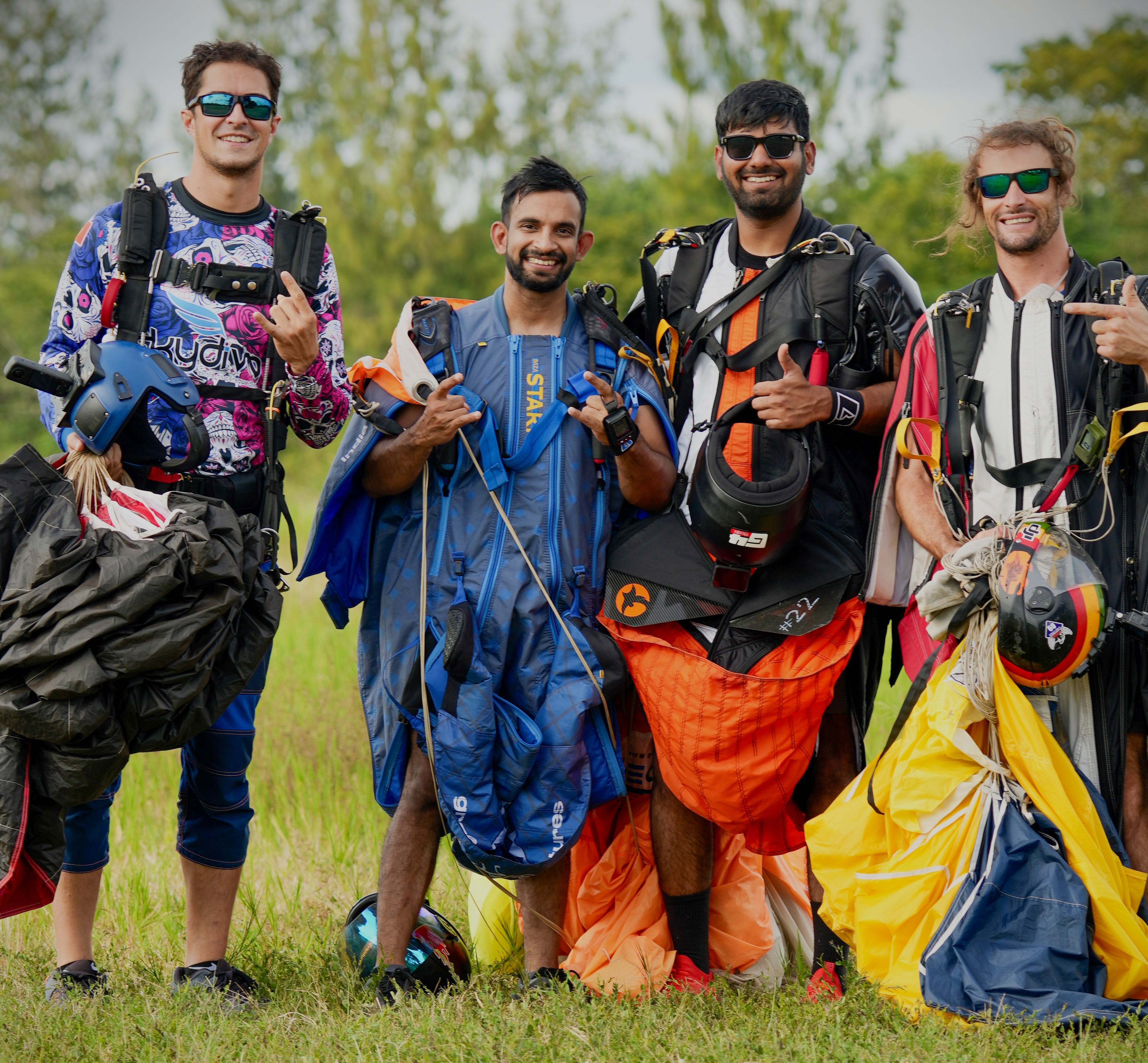
Jumping with a community accelerates your progression
The Path, in One Line
This is the exact path to start wingsuiting:
Tandem → A-License → 200 Jumps → WFJC → Fly